
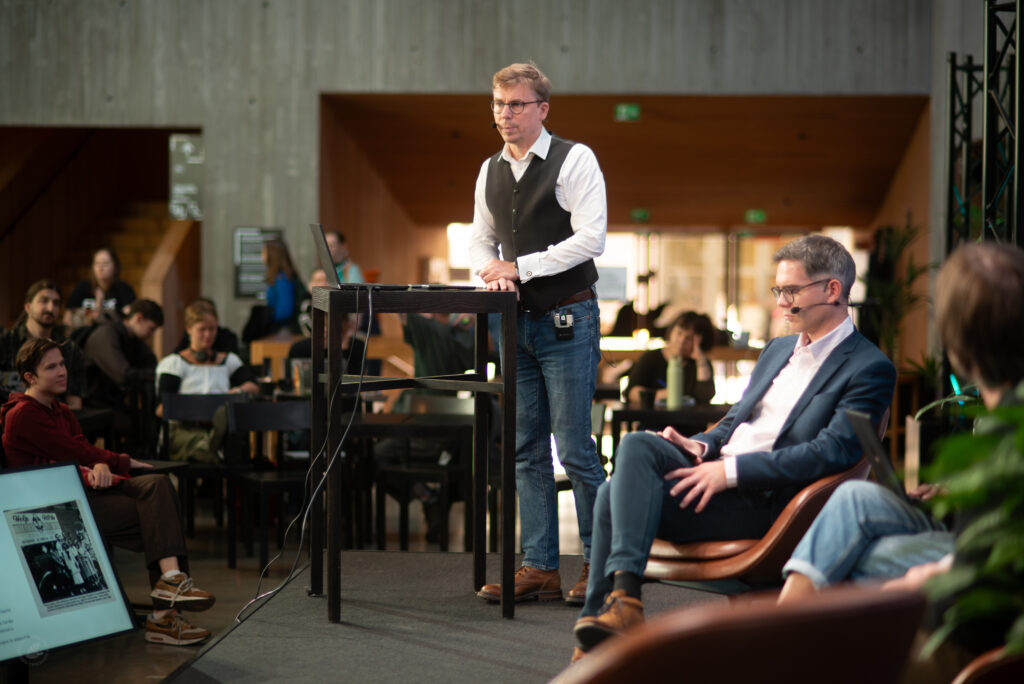
A public discussion at the University of Helsinki’s Think Corner on 11 September 2026 explored the historical connections and distinctions between fascism and colonialism, alongside the perspectives of those who resisted them. The event welcomed participants in person and attracted an exceptionally large online audience.
What becomes visible when histories usually studied separately are brought into conversation? This question framed Fascism as Colonialism? Colonialism as Fascism?, organised by the University of Helsinki’s Locating Global Protest project in collaboration with Historians without Borders in Finland. The event featured contributions from Kasper Braskén, Moshumee Dewoo, Shane Little and Oula Silvennoinen.
Connections across geographical boundaries
The discussion moved between European fascism, colonial histories and racial hierarchies in South Africa, African American responses to Italy’s invasion of Ethiopia, and Finnish visions of territorial expansion before the Second World War. These examples opened up questions about the relationships between racial domination, authoritarian politics and empire.
Attention also turned to those who resisted colonialism and fascism: how did they interpret the connections between these phenomena and relate struggles in different parts of the world to one another? Alongside structures of power, the discussion examined networks of resistance and solidarity that crossed national borders.

The possibilities of historical comparison
A central question was how to recognise historical connections while remaining attentive to differences. Examining fascism and colonialism together requires consideration of both shared features and the particular historical circumstances in which they developed.
The conversation also invited reflection on the perspectives and boundaries of historical scholarship. Which connections do familiar concepts help us recognise, and what might they leave outside the frame? The interpretations of anti-colonial and anti-fascist thinkers offer opportunities to reconsider established ways of organising these histories.
Bringing research into public discussion
The presentations were followed by discussion among the panellists and with the audience. For Historians without Borders, the event demonstrated the value of bringing different scholarly perspectives into a conversation open to everyone. Such encounters create space to exchange interpretations and consider how knowledge of the past informs the questions we ask today.
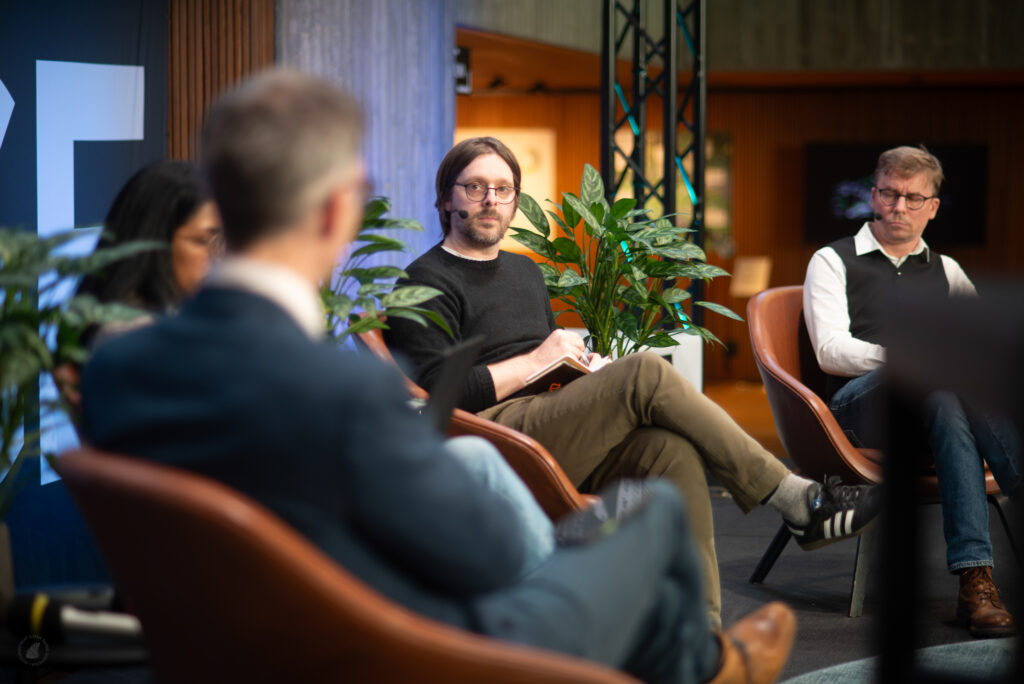
We thank Kasper Braskén, Moshumee Dewoo, Shane Little and Oula Silvennoinen for their contributions, and everyone who joined in person or online. The exceptionally large streaming audience extended the event’s reach well beyond Think Corner.
Photos: Mikael Kinanen / Historians without Borders.